
Parliamentarians for a Fossil-Free Future welcomes the adoption by the United Nations General Assembly of the landmark resolution recognizing the Advisory Opinion of the International Court of Justice on the obligations of States in respect of climate change.
With 141 Member States voting in favour, the international community has sent a powerful message: the climate crisis is not only an environmental, economic or political challenge, but a matter of international law, human rights, intergenerational justice and State responsibility. The Opinion reinforces the growing international legal and scientific consensus that States have a duty to prevent foreseeable climate harm and accelerate a just transition away from fossil fuels.
We recognise the leadership of Vanuatu, the Core Group of States, Pacific youth and climate-vulnerable countries in advancing this historic process. By welcoming the Court’s Opinion and calling on States to act consistently with international law and the Paris Agreement, the resolution creates an important basis for follow-up, accountability and implementation.
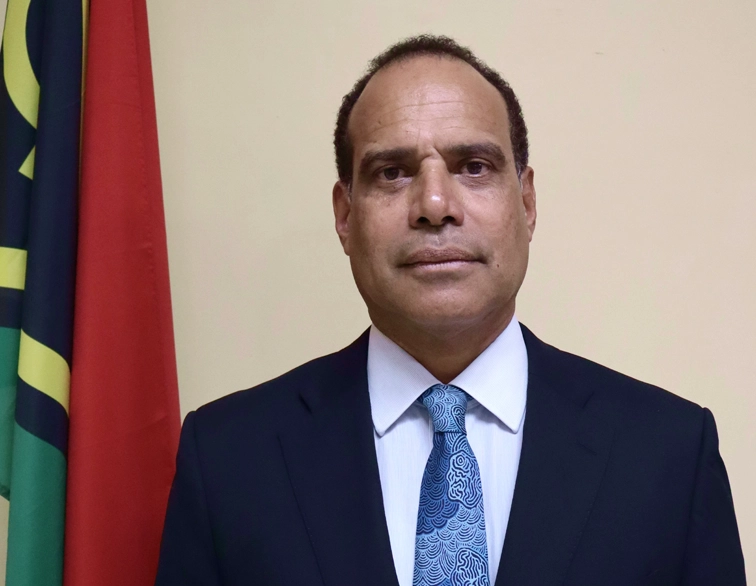
We also highlight the tireless work and principled leadership of Hon. Ralph Regenvanu, Vanuatu’s Minister of Climate Change and a member of this network, whose role in this process reflects the leadership urgently needed to connect climate justice with the rule of law.
As Minister Regenvanu stated, this resolution confirms that “no State is above its obligations to protect people, future generations, and our planet.” His words capture the significance of this moment: legal clarity must now be translated into action.
For Parliamentarians for a Fossil-Free Future, this decision strengthens the mandate for legislators around the world to act. Parliaments are not passive observers in this process. Legislators have a democratic and constitutional responsibility to translate international obligations into enforceable national legislation, public investment priorities, oversight mechanisms, and just transition frameworks aligned with climate science and human rights. This includes ensuring accountability for governments and corporations whose actions continue to drive fossil fuel expansion and climate harm.
This is not the end of the process. It is the beginning of a new phase in which governments, courts, parliaments and international institutions must align climate action with the rule of law. For Parliamentarians for a Fossil-Free Future, this moment reinforces a clear responsibility for legislators: to ensure that national laws, budgets and oversight mechanisms reflect the legal obligations now affirmed by the world’s highest court and welcomed by the United Nations.